Fascial Manipulation® Level 1 developed by Dr. Antonio Stecco (FM1)

- Description
- Curriculum
- FAQ
- Notice
Learn the Proven Fascial Manipulation Method and Improve Your Patient Outcomes
The Fascial Manipulation® Level 1 (FM-1) course is a comprehensive introduction to the Fascial Manipulation Method. The course takes a unique approach by looking at the body as a whole, not just “where it hurts” or where the problems appear to be. It utilizes a systematic approach to assessment and treatment of the tissue, and covers deep tissue manipulation and focus areas of deep fascia. Students learn manual palpation of very specific regions of the body in order to determine the location of fascial alterations which may be involved with your patient’s problem.
What is Fascial Manipulation (FM)?
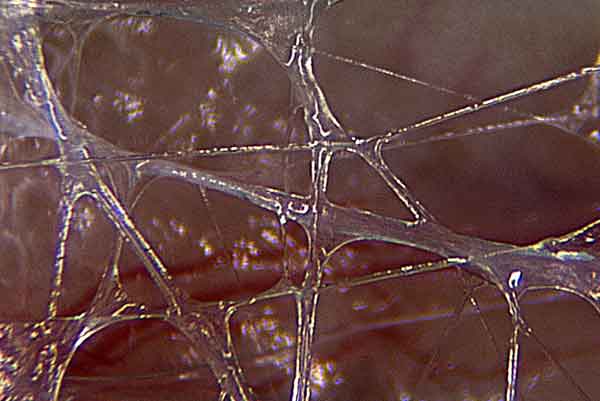
Fascial Manipulation (FM) is a manual therapy technique developed by Luigi Stecco, PT, in collaboration with his children Carla Stecco and Antonio Stecco, MDs, PhDs. FM focuses on the deep muscular fascia, which is a three-dimensional web of connective tissue that surrounds and supports all of the structures in the body. FM practitioners use a variety of techniques, including deep tissue massage, stretching, and mobilization, to release fascial restrictions and improve movement, posture, and circulation.
Benefits of Taking the Fascial Manipulation Level 1 Course by Stecco
- Learn a proven and innovative approach to manual therapy: Fascial Manipulation is a unique approach to physical therapy that looks at the body as a whole, not just “where it hurts” or where the problems appear to be. This approach has been shown to be effective in treating a wide range of conditions, including pain, movement dysfunction, and sports injuries.
- Gain the skills and knowledge to assess and treat fascial dysfunction: The Fascial Manipulation Level 1 Course teaches you the skills and knowledge to assess and treat fascial dysfunction. This includes learning how to identify fascial alterations, how to perform manual palpation, and how to apply the principles of Fascial Manipulation.
- Expand your knowledge of anatomy and physiology: The Fascial Manipulation Level 1 Course also expands your knowledge of anatomy and physiology. This includes learning about the structure and function of fascia, as well as the role of fascia in movement and pain.
- Gain hands-on experience: The Fascial Manipulation Level 1 Course is a hands-on course that gives you the opportunity to practice the techniques you learn. This hands-on experience will help you to develop the skills and confidence you need to use Fascial Manipulation in your practice.
- Connect with other healthcare professionals: The Fascial Manipulation Level 1 Course is a great opportunity to connect with other healthcare professionals who are interested in learning about Fascial Manipulation. This can be a valuable source of support and collaboration as you continue to learn and grow in your practice.
Fascial Manipulation Level 1 teaches the principles and techniques of Fascial Manipulation.
Lecture Topics:
- Introduction to fascia: What is fascia and what does it do?
- Anatomy and physiology of fascia: How is fascia structured and how does it function?
- Principles of Fascial Manipulation: What are the underlying principles of this manual therapy technique?
- Techniques of Fascial Manipulation: How are the techniques of Fascial Manipulation performed?
- Assessment of fascial dysfunction: How can you identify fascial dysfunction?
Upon completion of FM-1a, students will have a basic understanding of fascia, its anatomy and physiology, and the principles and techniques of Fascial Manipulation. Students will also be able to identify fascial dysfunction.
General Schedule
FM 1a – Lecture: 13 hour self-study via the Stecco Education Platform (to be completed no less than 1 week prior to FM-1b in-person portion)
- Must be completed at least one week prior to attending the in-person FM-1b course.
FM 1b – Lab: 3 days In-person
To be admitted to FM-1b, students must:
- Complete and pass all tests in FM-1a, must watch all required lectures and pass all tests in FM-1a.
- Must print their certificate of completion for FM-1a and bring it with them to FM-1b
Fascial Manipulation Level 1b is the second part of a two-part course that teaches the principles and techniques of Fascial Manipulation. The course is in-person and covers the following topics:
- Practical application of the techniques learned in FM-1a: Students will have the opportunity to practice the techniques they learned in FM-1a on each other.
- Case studies: Students will discuss case studies related to Fascial Manipulation.
- Q&A sessions with the instructors: Students will have the opportunity to ask questions of the instructors.
Upon completion of FM-1b, students will be able to perform the techniques of Fascial Manipulation and develop treatment plans for patients with fascial dysfunction.
Successful completion of Level 1 is required before attending Level 2.

You can expect to receive your certificate within 14 days after all requirements have been met.
Hybrid Course: Self-Study Lectures on FM website with In-Person Lab