An Introduction to IASTM Techniques: Understanding the Basics

- Description
- Curriculum
- FAQ
- Notice
Offer Your Patients More Effective Treatment Options
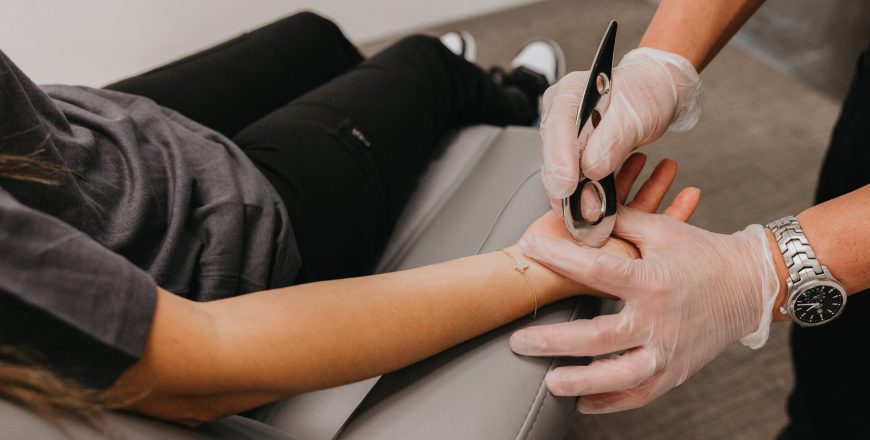
Instrument Assisted Soft Tissue Mobilization (IASTM) is a specialized manual therapy technique designed to address soft tissue dysfunctions and promote healing through the use of precision tools. This method involves applying controlled pressure with single- or double-beveled edge surgical-grade instruments to target specific tissues, including fascia, aponeurotic fascia, endomysium, perimysium, epimysium, and adipose tissue.
IASTM works by breaking down scar tissue, releasing muscle tension, and improving blood flow to the affected areas. The technique is widely used to treat conditions such as muscle tightness, chronic pain, fascial restrictions, and limited range of motion.
By stimulating the body’s natural healing processes and enhancing circulation, IASTM supports faster recovery and improved mobility.
The precision of the tools enables targeted treatment, making it effective for both acute injuries and chronic conditions. This approach has gained popularity among physical therapists, chiropractors, and sports medicine professionals due to its effectiveness in restoring tissue quality, optimizing function, and enhancing overall performance.
IASTM is not just a technique; it’s a comprehensive study of how specific tools can impact various aspects of soft tissue, providing a powerful method to improve mobility, relieve pain, and promote long-term healing.
-
1
 Learning Objectives
- Explain the effect of hyaluronic acid and its effect on fascia and how it can affect the lubricant of the hyaluronic acid and its effects on soft tissue.
- Identify and describe the anatomy of superficial fascia, deep fascia, and the layers of fascial tissue with other tissues and recognize how they relate to IASTM.
- Identify and correctly distinguish at least 10 indications and contraindications of IASTM treatment techniques.
- Identify some of the top leading IASTM brands including Graston©, Smart Tools, Hawk Grips©, and Fibroblaster™ and discuss the benefits and differences between the brands.
- Demonstrate and identify proper application utilizing IASTM with other modalities.
- Apply knowledge of IASTM techniques by demonstrating the seven foundational strokes.
- Apply proper ergonomics and safe application using IASTM.
- Recognize considerations using IASTM techniques.
- Identify cross contamination risks using IASTM instruments.
-
2
 Evolution of IASTM: Advancements in Tools and Techniques
 -
3
Comparing IASTM Tools: Key Differences Across Leading Brands
-
4
Latest Research on IASTM Techniques
-
5
IASTM Techniques: Essential Indications and Contraindications You Must Know
-
6
Impact of IASTM on the Fascia Chain and Its Role in Boosting Performance and Movement
-
7
Therapeutic effects of IASTM on proprioception and balance
-
8
Reducing Liability and Addressing Litigation Risks with IASTM Techniques
To get the most out of the course, take time to engage with the materials, review key concepts, and apply what you learn through the interactive elements. Since it's self-paced, you can revisit the lessons anytime during your enrollment for 30 days, ensuring a thorough understanding of the topics covered.
Self Study Course
May require foundational knowledge or prior experience related to the subject matter.
Access to Technology: device and reliable internet access.
- Athletic Trainer
- Chiropractor
- Massage Therapist
- OT/OTA
- Physical Therapist/PTA
- Other healthcare professional in the field