
Blog
IASTM course for USA Army Rehab Department in Fort Bragg, NC
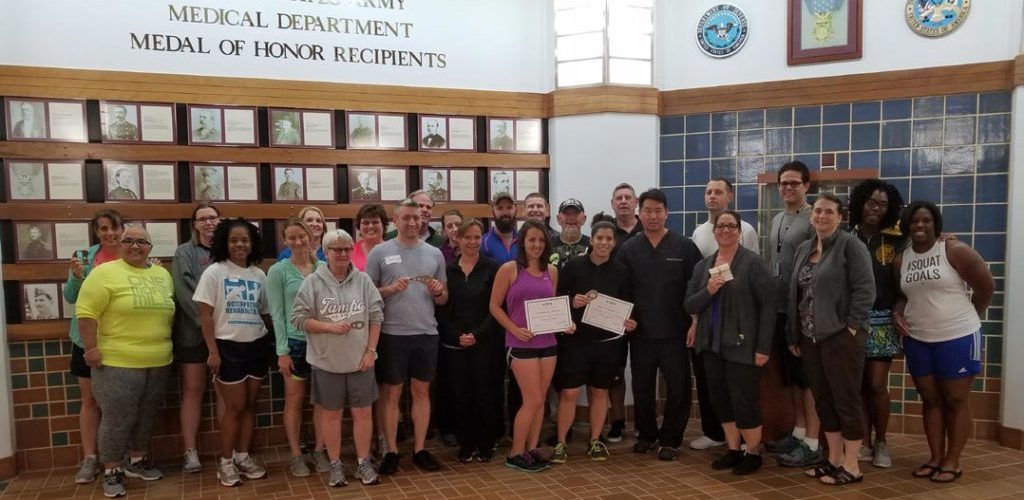
Elevating Military Rehabilitation: Dr. Koh Brings IASTM Expertise to Fort Bragg’s USA Army Rehab Department
The men and women serving in the United States Army endure physical challenges that push their bodies to the limit. From grueling training sessions to the demands of active duty, soldiers are no strangers to overuse injuries, musculoskeletal stress, and soft tissue dysfunctions. Recognizing the critical need for advanced rehabilitation techniques, Dr. Koh recently led an Instrument-Assisted Soft Tissue Mobilization (IASTM) course for the USA Army Rehab Department at Fort Bragg, North Carolina, hosted by the esteemed Womack Army Medical Center.
This unique collaboration aimed to empower military healthcare professionals with cutting-edge tools and techniques to enhance recovery, optimize performance, and ensure soldiers are mission-ready.
Why IASTM Is Essential in Military Medicine
The demands on military personnel go beyond typical athletic or occupational strain. Soldiers often face:
- Chronic overuse injuries from repetitive physical tasks like lifting, carrying, or prolonged marching.
- Acute trauma sustained during training exercises or deployments.
- Restricted mobility and pain due to the cumulative effects of physical stress.
IASTM, a non-invasive treatment using precision tools like the FIBROBLASTER, is particularly effective in treating soft tissue dysfunction. By breaking down scar tissue, improving circulation, and restoring mobility, IASTM offers military healthcare providers an advanced option to address these issues efficiently.
Dr. Koh’s Course at Fort Bragg
The IASTM training course hosted at Womack Army Medical Center was designed to meet the unique needs of military rehab specialists. Dr. Koh, a pioneer in the field, shared his expertise in using IASTM tools, such as the FIBROBLASTER, to address the complex physical demands faced by soldiers.
A Word of Gratitude
Dr. Koh expressed his gratitude to the team at Womack Army Medical Center for their hospitality and dedication. “It was an honor to work alongside such skilled professionals who are committed to the health and well-being of our soldiers,” he said. “Their passion for innovation and excellence is inspiring.”
Why Our IASTM Tool Stands Out
The IASTM tool, featured prominently in Dr. Koh’s training, is a versatile and ergonomically designed instrument. It allows practitioners to address both superficial and deep tissue restrictions with precision, making it ideal for treating the wide range of injuries seen in military settings.
Key Features of the Training
-
Hands-On Learning
Dr. Koh provided an in-depth overview of the IASTM tool, demonstrating how its design allows for precise targeting of soft tissue restrictions. Participants practiced techniques to address common injuries such as tendinitis, myofascial restrictions, and chronic muscle tightness. -
Focus on Military-Specific Applications
Recognizing the unique challenges faced by soldiers, Dr. Koh tailored the course to include strategies for managing injuries common in military settings, such as rotator cuff issues, lower back pain, and knee dysfunction. -
Enhancing Rehabilitation Protocols
Dr. Koh worked closely with the Army rehab department to integrate IASTM into their existing protocols, ensuring a seamless approach to treatment and recovery. -
Promoting Long-Term Resilience
Beyond immediate injury care, the course emphasized the role of IASTM in preventive strategies. By maintaining soft tissue health, soldiers can sustain peak physical performance while minimizing injury risk.
Feedback from the Womack Army Medical Center
The response from the rehab department and healthcare providers was overwhelmingly positive. Participants highlighted the accessibility of the IASTM tool and the practical insights Dr. Koh offered during the course.
“This training has given us a new perspective on how to approach soft tissue injuries,” shared one participant. “Dr. Koh’s techniques are not only effective but also incredibly adaptable to the unique needs of our soldiers.”
Conclusion
Dr. Koh’s IASTM course at Fort Bragg marked a pivotal moment in military rehabilitation. By equipping healthcare providers with state-of-the-art tools like the FIBROBLASTER and advanced techniques, the USA Army Rehab Department is better prepared to serve those who serve our nation.
With initiatives like this, the future of military medicine is bright—combining innovation, expertise, and a commitment to ensuring every soldier can perform at their best.
Author: AQuire
