
IASTM Golfer’s Elbow treatment technique
- March 16, 2024
- Posted by: AQuire
-
Category:
Uncategorized
,
The Role of IASTM in Treating Golfer’s Elbow: A Comprehensive Guide
Golfer’s elbow, also known as medial epicondylitis, is a common overuse injury characterized by pain and inflammation on the inside of the elbow. While the name suggests it primarily affects golfers, it can impact anyone engaging in repetitive arm or wrist motions, such as tennis players, painters, or even office workers. Fortunately, Instrument-Assisted Soft Tissue Mobilization (IASTM) has emerged as a highly effective technique for managing and treating golfer’s elbow.
Understanding IASTM
IASTM is a manual therapy technique that uses specialized tools to detect and treat soft tissue dysfunctions. These tools are designed to enhance the practitioner’s ability to target affected areas, break down adhesions, and stimulate the healing process. Unlike traditional hands-on methods, the instruments allow for greater precision, making IASTM particularly effective for conditions involving dense scar tissue or chronic inflammation.
How IASTM Works for Golfer’s Elbow
-
Improving Blood Flow
The repetitive stress associated with golfer’s elbow leads to microtears in the tendon and limited blood flow to the affected area. IASTM helps improve circulation, delivering oxygen and nutrients necessary for tissue repair. -
Breaking Down Scar Tissue
Over time, the body’s healing response to repeated injuries can result in the buildup of scar tissue. This can restrict movement and prolong discomfort. The tools used in IASTM help identify these adhesions and break them down, restoring tissue mobility. -
Reducing Pain and Inflammation
By stimulating mechanoreceptors in the skin and soft tissue, IASTM helps to modulate pain signals. Additionally, the technique triggers a mild inflammatory response, which promotes the body’s natural healing processes. -
Enhancing Range of Motion
Tightness and stiffness around the elbow joint are common symptoms of golfer’s elbow. IASTM can help release tension in surrounding soft tissues, allowing for improved flexibility and a greater range of motion.
What to Expect During an IASTM Session
-
Initial Assessment
A skilled practitioner will evaluate the extent of the injury, assess range of motion, and locate specific areas of tenderness or restriction. -
Treatment Application
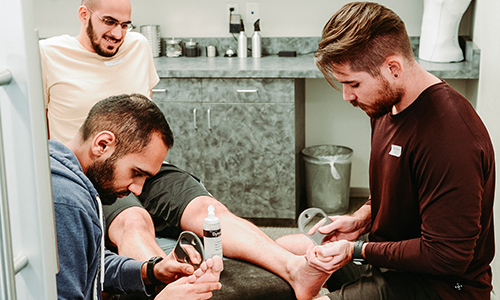
Using smooth, ergonomic tools made of stainless steel or similar materials, the practitioner applies gentle strokes over the affected area. The pressure is adjusted based on the patient’s tolerance and therapeutic goals. -
Follow-Up Care
Patients may experience mild redness or soreness after a session, which typically subsides within a day or two. Stretching, strengthening exercises, and other therapeutic activities are often recommended to complement IASTM.
Benefits of IASTM for Golfer’s Elbow
- Non-Invasive Treatment: No surgical intervention required.
- Quick Recovery: Many patients experience relief within a few sessions.
- Customizable Approach: The treatment can be tailored to the severity of the condition and patient-specific needs.
- Enhanced Healing: Stimulates the body’s natural repair mechanisms.
Final Thoughts
Golfer’s elbow can significantly impact your daily activities and athletic performance, but effective treatment is within reach. IASTM offers a safe, evidence-based approach to relieving pain, improving mobility, and promoting long-term healing. If you’re struggling with golfer’s elbow, consult with a qualified healthcare provider to see if IASTM is the right choice for you.
Remember, consistency and patience are key to recovery. With the right treatment and preventive measures, you can return to your favorite activities stronger than ever.
Courses
IASTM
In-Person
Live Stream
Manual Therapy
Author: AQuire
